
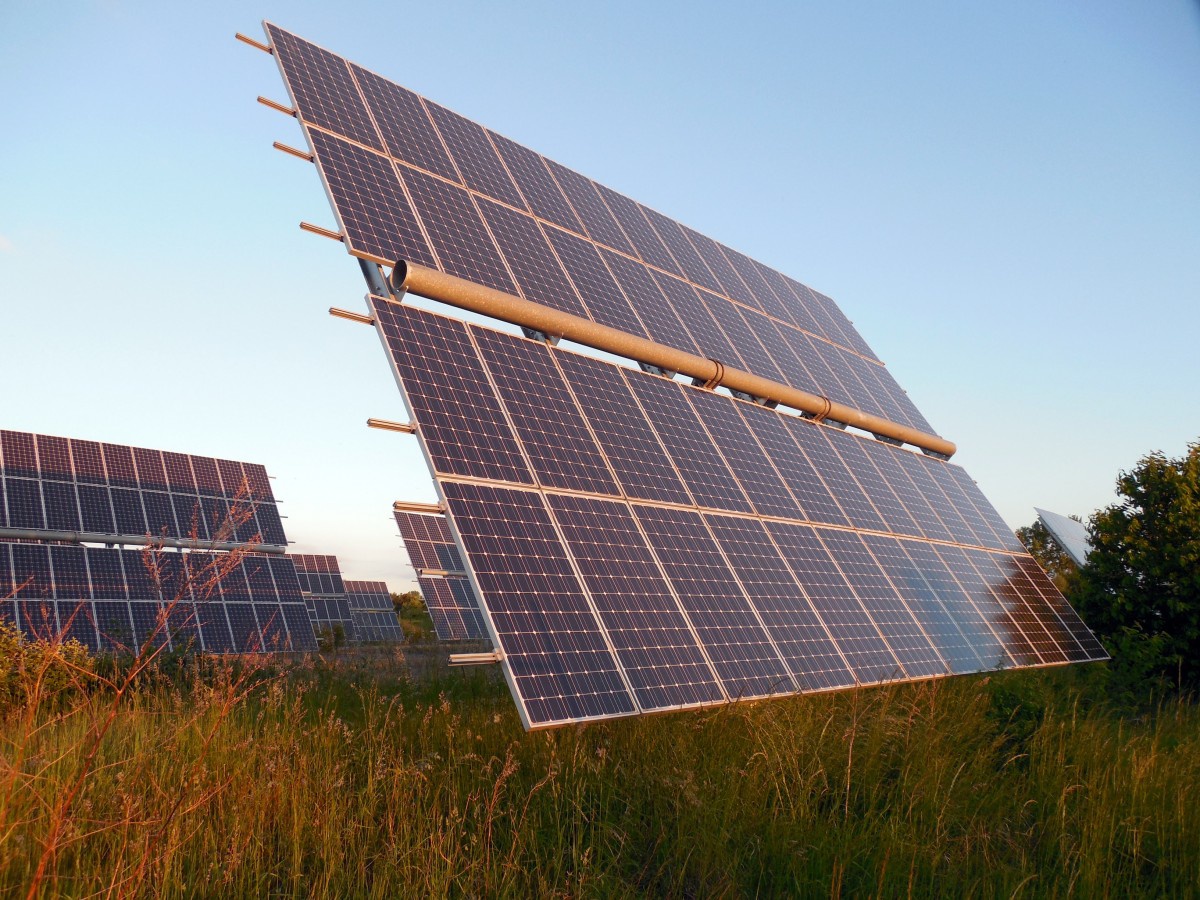
What is Net Metering and what advantages does it offer in SPV Solar Power Projects
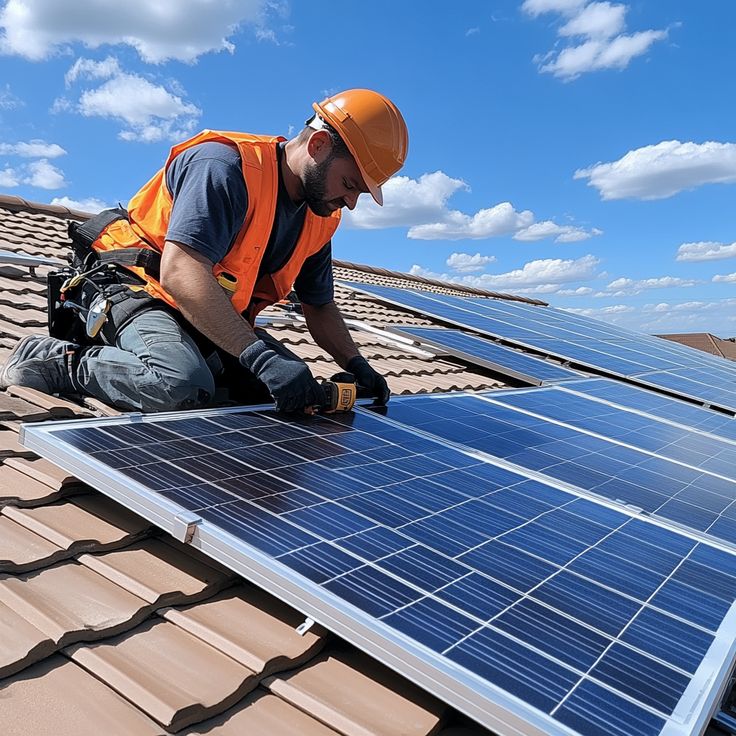
Net meter in a billing system for electricity that enable consumers who produce some or all of their own power to utilize that electricity whenever they want, rather than only when it is generated. This is especially crucial with renewable energy sources such as wind and solar, On as rainy day, if your solar PV system generates more electricity than you consume, the surplus solar energy is sent back to the utility grid, causing your electric meter to spin in reverse. In such cases, the local power company (DISCOM) typically provides credits for the electricity generated by your grid-tied PV system.
If throughout the billing period you consume more electrical energy than you produce,you will be charged for the “net amount” of electricity used just as you typically would. If you produce more solar energy than you use, you receive credit for the “net amount” of electricity generated, resulting in either a decrease in your monthly electricity bill or a direct payment toyou or the account holder.
How Net Metering operates
When setting up a PV system, if your local utility offersnet metering, you might need to put in a second electrical meter rather than using a single meter that registers flow in both directions. This innovative meter measures net energy usage, both incoming and outgoing from the system, and will help loweryour electricity expenses. Each electrical utility company has its own policy concerning the repurchase of energy produced by your personal small solar power installation.
Although net metering is the best method to sell your surplus solar energy, certain companies repurchase power at a lower wholesale price than the electricity you use.
Government Releases Operational Guidelines for PM Surya Ghar Scheme
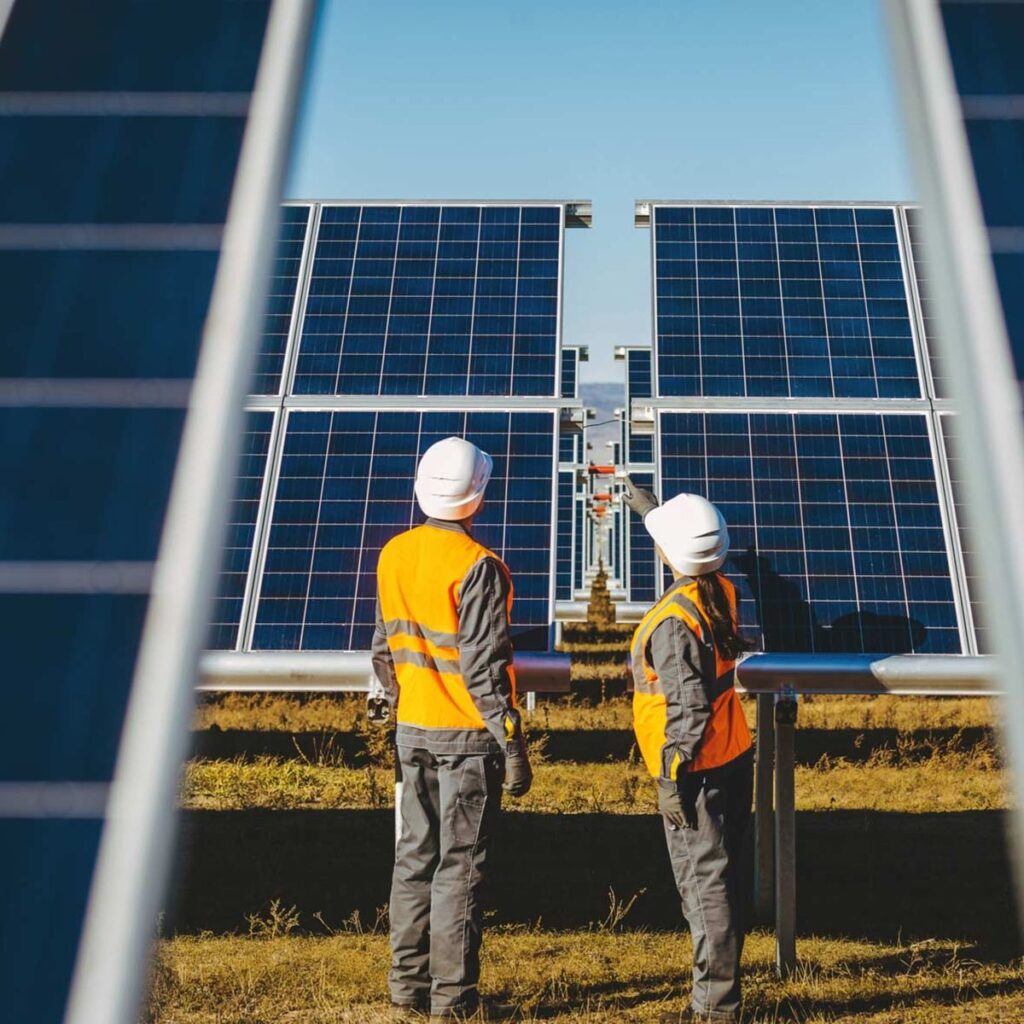
The Government of India, through the Ministry of New and Renewable Energy (MNRE), has issued detailed operational guidelines to implement the PM Surya Ghar: Muft Bijli Yojana, a flagship rooftop solar scheme aimed at promoting distributed renewable energy and providing households with clean, affordable electricity. The scheme targets the installation of rooftop solar photovoltaic systems on one crore homes across India by March 2027, enabling residential consumers to generate solar power and receive up to 300 units of free electricity per month.
The operational guidelines lay out the implementation framework, detailing procedures for Central Financial Assistance (CFA) to eligible residential consumers under the capex mode. Subsidy support is provided through the national PM Surya Ghar portal, where applicants can register, select vendors, and track subsidy disbursements. Eligible systems (typically 1–3 kW) receive significant central subsidies to lower upfront costs and accelerate rooftop solar adoption.
To support wider participation and ease of implementation, amendments to the guidelines have been introduced over time. These include extensions to the CFA claim window, stricter vendor compliance rules, and the removal of outdated or inactive applications from the system to ensure efficient rollout.
The guidelines also cover innovative implementation models such as the Renewable Energy Service Company (RESCO) model and Utility-led Aggregation (ULA) model. Under these models, third-party or utility entities install rooftop solar systems on behalf of homeowners, with mechanisms like payment security guarantees to protect developers and ensure timely financial flows.
In addition, the government has standardized centralized monitoring and smart connectivity for rooftop systems, mandating secure data communication standards and real-time performance tracking to ensure transparency, grid integration, and accountability across installations under the Surya Ghar programme.
Overall, the operational guidelines provide a comprehensive roadmap for scaling rooftop solar deployment in India’s residential sector, enhancing energy independence, reducing electricity costs for households, and advancing national clean energy goals.
Is This the Conclusion for Polycrystalline Solar Panels
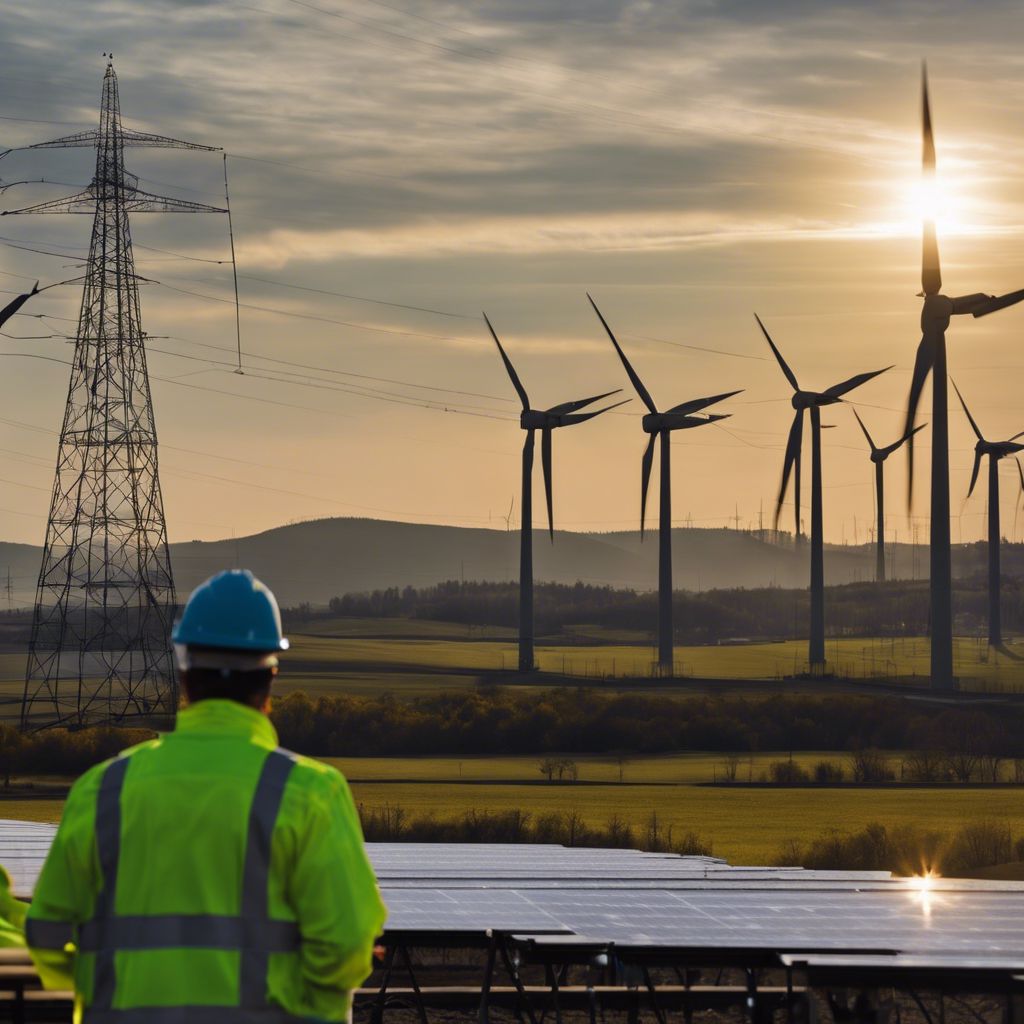
Polycrystalline solar panels have played a crucial role in the growth of the solar energy sector, especially in markets like India where affordability and scalability matter. For many years, these panels were the preferred choice for residential, commercial, and small industrial installations due to their lower cost and reliable performance. However, with rapid technological advancements, an important question arises: is this the conclusion for polycrystalline solar panels?
The answer is not an absolute end, but rather a gradual transition. Polycrystalline panels typically offer lower efficiency compared to monocrystalline panels, requiring more roof space to generate the same amount of power. As manufacturing costs of monocrystalline and advanced technologies like TOP Con and bifacial modules continue to fall, the efficiency gap has become a decisive factor for many consumers. Today, homeowners and businesses increasingly prefer high-efficiency solutions that maximize output, especially where space is limited.
That said, polycrystalline panels still retain relevance in budget-sensitive projects, rural electrification, and large ground-mounted installations where space availability is not a constraint. Their durability, stable performance in high temperatures, and proven track record make them a dependable option for certain applications. Many existing solar plants using polycrystalline technology will continue to generate clean energy efficiently for decades.
At SR Solar, we view this shift as part of the natural evolution of solar technology. While the industry is moving toward higher-efficiency panels, the right choice always depends on project goals, budget, and site conditions. Polycrystalline panels may no longer dominate new installations, but they are far from obsolete.
In conclusion, this is not the end of polycrystalline solar panels, but the closing of a major chapter. As solar technology advances, SR Solar remains committed to guiding customers toward the most suitable, future-ready solutions that balance performance, cost, and sustainability.
DISCOM payments to renewable generators rose to ₹122 billion in January 2021.
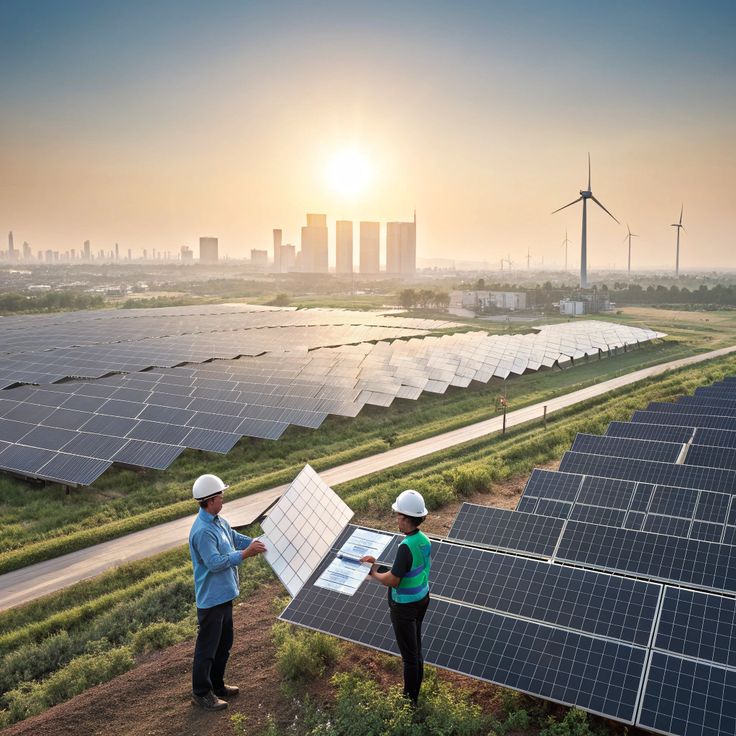
In January 2021, distribution companies (DISCOMs) in India owed renewable energy generators ₹122.49 billion (about ₹122 billion) in overdue payments across 384 pending invoices, marking a slight increase from December 2020 figures. These figures were released by the Ministry of Power (Mo https://srsolarpannel.com/2026/01/11/projectsP) and highlight ongoing financial stress in the power distribution sector, particularly in settling dues to clean energy producers.
Of the total amount owed, DISCOMs cleared ₹21.5 billion against outstanding dues and ₹104.02 billion toward overdue amounts, indicating a 39 % and 28.9 % rise in payments compared to December 2020. Overdue amounts refer to bills delayed by more than six months, underscoring the liquidity challenge faced by renewable energy companies reliant on timely payments to maintain operations and finance projects.
At the end of January 2021, 66 DISCOMs owed 232 generators a total of ₹1.271 trillion across all power generation sectors, with renewable energy forming a significant portion of these dues. States such as Rajasthan and Tamil Nadu recorded some of the largest backlogs, reflecting regional disparities in DISCOM financial health. Other states like Uttar Pradesh, Karnataka, and Andhra Pradesh also showed poor payment timelines, whereas states like Jharkhand, West Bengal, and Himachal Pradesh were comparatively better in clearing dues.
Major renewable companies such as Tata Power Company, Adani Green Energy, NLC India, and Hero Future Energies were among the top owed parties, highlighting the impact of DISCOM payment delays on leading clean energy stakeholders.
These continued payment trends underline the importance of improving DISCOM financial discipline and enforcing payment security mechanisms to support India’s ambitious renewable energy goals. SR Solar remains committed to tracking these developments and advocating for stronger market conditions that ensure timely compensation for clean energy producers.
India is set to achieve its goal of 175 GW in renewable energy by 2022, as stated by ETILC members
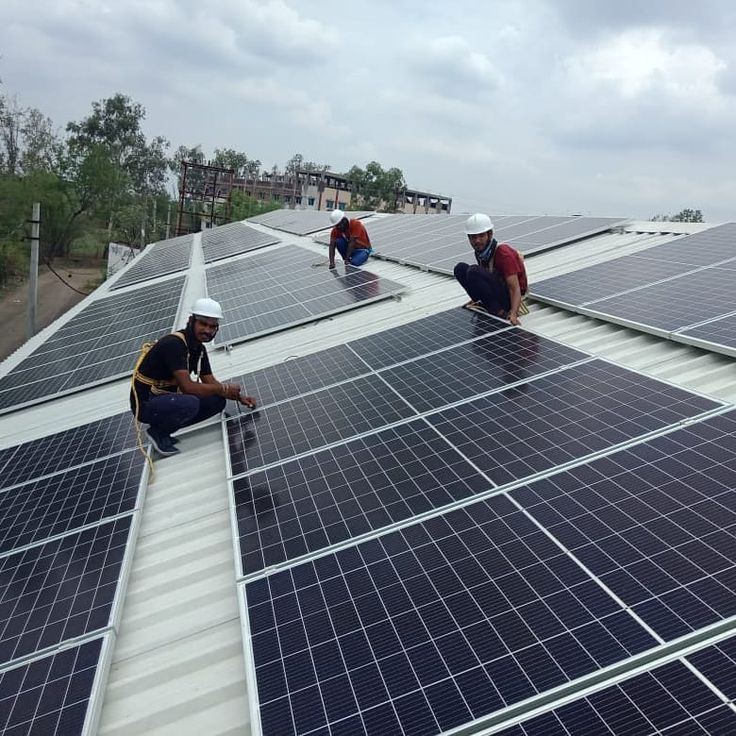
India’s renewable energy journey has been one of the most ambitious in the world, with policymakers and industry leaders pushing for rapid deployment of solar, wind, hydro, and bioenergy capacities. One of the flagship targets set by the Government of India was to achieve 175 GW of installed renewable energy capacity by the year 2022 — a milestone that would have positioned the country as a global leader in clean energy transition. According to members of the ETILC (Energy Transition Industry Leaders Council), there was strong confidence that India was on track to meet this 175 GW target by 2022, driven by policy reforms, investment incentives, and robust industry participation.
ETILC members highlighted several key drivers behind this optimistic outlook. Government initiatives such as accelerated bidding for renewable projects, elimination of tariff caps on solar tenders, recognition of solar plant operations and maintenance as essential services during the pandemic, and supportive financial measures all contributed to an improved growth trajectory. These policy measures, combined with falling technology costs and enhanced investor confidence, helped maintain momentum in renewable deployment even during challenging economic conditions.
Industry experts also pointed out that the drive toward renewable energy extends beyond national targets, aligning with India’s commitments under the Paris Agreement and its broader climate action goals. The renewable sector’s ability to attract both domestic and international capital further reinforced expectations that India would not only meet but potentially surpass earlier benchmarks.
However, independent assessments later showed that while significant progress was made — with notable capacity additions in solar and wind — the 175 GW target was not fully achieved by the 2022 deadline, highlighting ongoing challenges in grid integration, financing, and infrastructure.
For SR Solar, this journey underlines a robust clean energy ecosystem in India — one that continues to grow and adapt. Despite falling slightly short of the 175 GW target by 2022, the country’s commitment to renewable energy remains steadfast, paving the way for even more ambitious goals like 450 GW by 2030.
Implementation challenges persist in the rollout of PM Surya Ghar Yojna
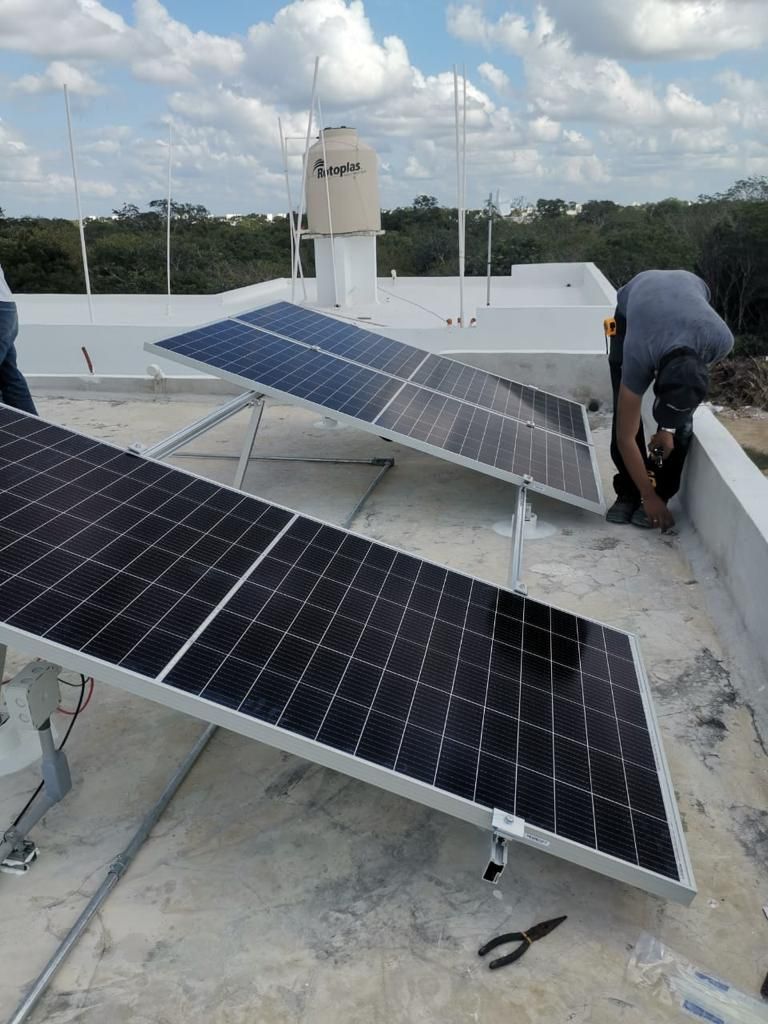
The PM Surya Ghar: Muft Bijli Yojana is one of India’s most ambitious residential rooftop solar initiatives, designed to empower households with clean, affordable energy. While the scheme has generated significant interest and applications nationwide, multiple implementation challenges continue to slow its pace and impact.
A key issue highlighted across states is the low conversion of applications into actual installations. Reports indicate that despite millions of applications, only a fraction have progressed to completed projects. Nationally, the installation-to-application ratio stands at around 22.7 per cent, reflecting bottlenecks in on-ground execution and procedural delays.
Administrative and procedural hurdles are cited as major obstacles. In some regions, distribution company (DISCOM) officials and field staff are reportedly unfamiliar with updated rooftop solar procedures, leading to delays in approvals and consumer support. Additionally, non-compliance with revised net-metering timelines and cumbersome load extension processes create further hold-ups, especially where simple commissioning approvals drag on.
Technical and digital challenges have also impaired rollout efficiency. The national PM Surya Ghar portal, intended to streamline applications and subsidy tracking, has experienced glitches — from portal access issues to editing limitations for submitted data — frustrating both consumers and vendors. Subsidy processing delays of over six months in some cases compound these problems, affecting cash flows for vendors and eroding confidence in the scheme.
Moreover, uneven state-level performance and limited consumer awareness further widen implementation gaps. States with active outreach and strong vendor networks show higher conversion rates, while others lag due to limited awareness, financing barriers, and supply-chain constraints.
To realize the full potential of PM Surya Ghar, enhanced stakeholder coordination, more robust portal functionality, quicker approvals, and stronger awareness campaigns are essential. SR Solar continues to support solutions that address these challenges, ensuring accelerated rooftop solar adoption and meaningful progress toward India’s clean energy goals.